
Essential Safety Tips for Homeowners During California's Fire Season
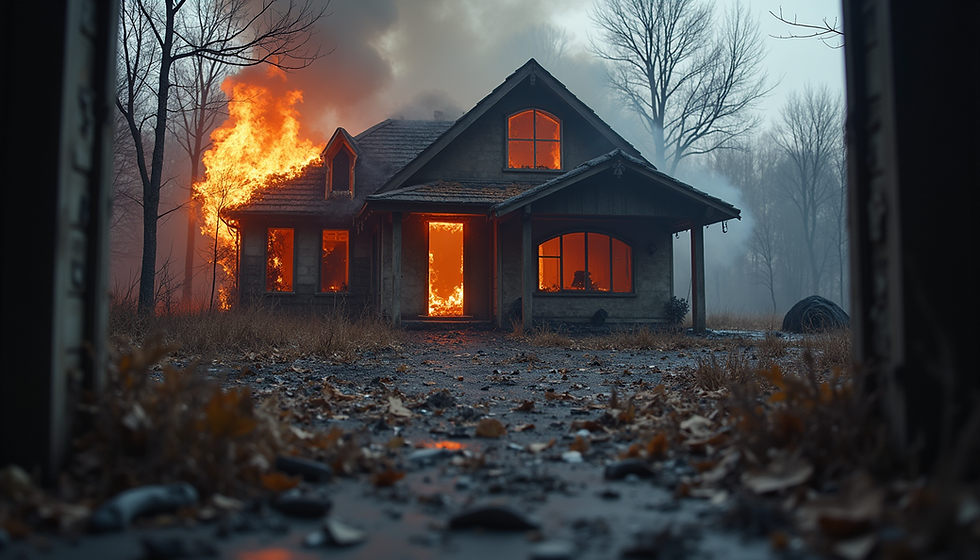
As California enters its fire season from June through December, the risk of wildfires, structure fires, and smoke damage rises sharply, especially in the Central Valley and nearby communities. Recent wildfire events remind us that preparation is the best defense homeowners have to protect their families, homes, and financial security. This post offers practical steps to prepare your home, manage insurance responsibilities, and safeguard your property after a fire.

Preparing Your Home for Fire Season
Creating a safe environment around your home is critical. Wildfires spread quickly through dry vegetation and debris. Taking these steps can reduce your home's vulnerability:
Clear dry grass, leaves, weeds, and debris at least 100 feet from your home. This defensible space slows fire spread and gives firefighters room to work.
Trim tree branches away from roofs, power lines, and structures. Overhanging branches can ignite your home if embers land on them.
Clean gutters and roofs regularly. Remove leaves and pine needles that can catch fire easily.
Maintain smoke detectors. Test them monthly and replace batteries twice a year to ensure they work during emergencies.
Create and practice an emergency evacuation plan. Make sure every family member knows the routes and meeting points.
Keep important documents, medications, and valuables in an accessible place. Use fireproof containers if possible.
Prepare an emergency go-bag for each household member. Include essentials like water, food, clothing, flashlights, and first aid supplies.
These steps not only protect your home but also improve your family’s readiness to act quickly if a fire threatens your area.
Understanding Your Insurance Responsibilities
Insurance plays a vital role in recovery after a fire. Homeowners should review their policies annually to ensure adequate coverage:
Check dwelling coverage limits. Make sure they reflect current rebuilding costs, which can rise after wildfires.
Verify personal property coverage. Confirm it covers your belongings sufficiently.
Include Additional Living Expense (ALE) coverage. This helps pay for temporary housing if your home becomes uninhabitable.
Document valuable items. Take photos, keep receipts, and maintain inventories to support claims.
Understand your policy deductibles. Know how much you will pay out of pocket before insurance kicks in.
If a fire occurs, notify your insurance company immediately. Document all damage with photos and videos, save receipts for emergency expenses, and keep detailed records of all communications. Prompt and organized action can speed up your claim process.
Protecting Your Property After a Fire
Even after a fire is contained, your property remains at risk. Theft, vandalism, weather damage, and unauthorized entry can cause further losses. Taking quick action helps protect your investment:
Use board-up services to secure broken windows and doors. This prevents unauthorized access.
Install temporary fencing if needed. It creates a physical barrier around your property.
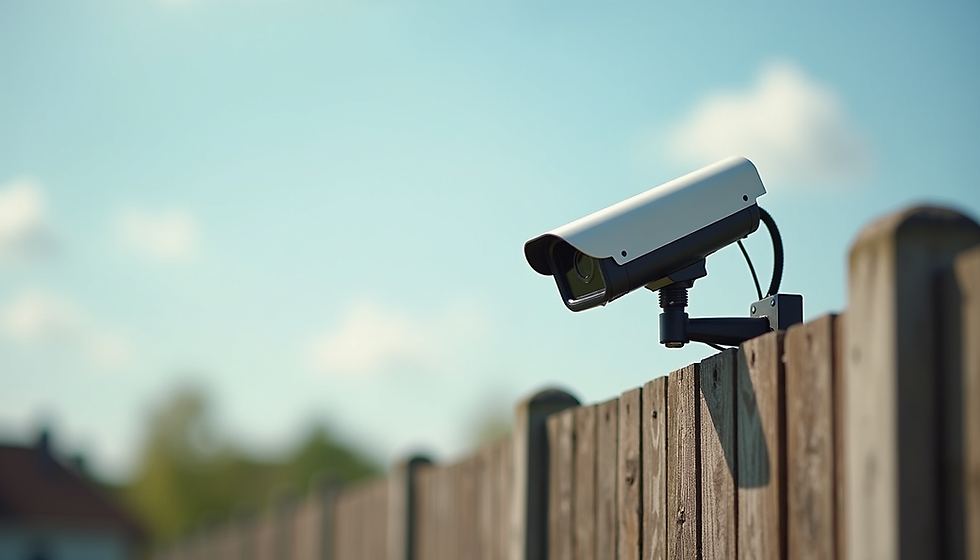
Consider security monitoring. Cameras or patrols can deter theft and vandalism during the recovery period.
These measures help maintain your property’s safety while you focus on rebuilding and healing.

Comments