
Post-Fire Health Risks: Essential HVAC and Air Quality Checks for Homeowners. Urgent ‼️

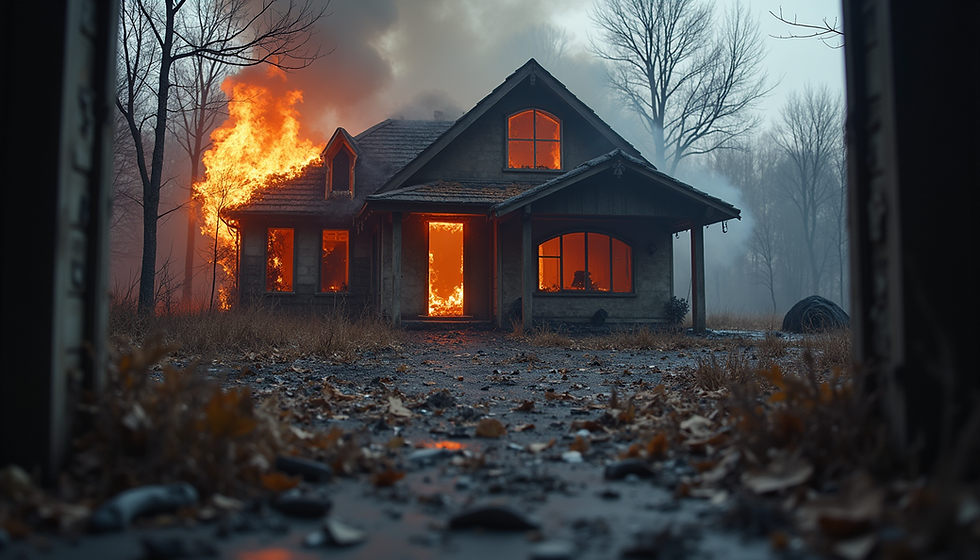
The recent warehouse fire in Tracy, California, has raised concerns that go beyond the immediate damage caused by flames and smoke. While the dramatic images of smoke plumes and emergency crews capture attention, many homeowners may overlook the hidden dangers that follow a major fire event. Tiny smoke particles, soot, ash, and other airborne contaminants can travel miles, entering homes and affecting indoor air quality. This post explains why homeowners near Tracy and surrounding areas should inspect their HVAC systems, ductwork, and indoor air quality after such fires to protect their health and home environment.
How Smoke and Fire Particles Affect Your Home
When a large fire burns, it releases a complex mix of particulate matter and combustion byproducts into the air. These particles are often microscopic and can easily travel with the wind, reaching homes several miles away from the fire site. Communities in Tracy, Lathrop, Manteca, Stockton, Mountain House, and nearby areas may have experienced varying levels of exposure depending on wind direction and distance.
Smoke particles and ash can enter homes through several pathways:
Air conditioning systems and HVAC return vents
Attic ventilation systems
Open windows and doors
Exterior air intakes
Once inside, these contaminants can settle in ductwork, air filters, furnace parts, evaporator coils, and other components of the HVAC system. Without proper cleaning and inspection, these particles may continue to circulate whenever the system runs, spreading contaminants throughout the home.
Why Indoor Air Quality Matters After a Fire
Poor indoor air quality affects more than just comfort. It can have serious health and mechanical consequences:
Persistent smoke odors that linger for weeks or months
Increased dust and soot buildup inside the home
Respiratory irritation such as coughing, throat discomfort, or eye irritation
Allergy flare-ups and worsening asthma symptoms
Reduced HVAC efficiency due to clogged filters and dirty components
Premature wear on air filtration systems requiring more frequent replacements
Children, elderly individuals, and those with respiratory conditions are especially vulnerable to these airborne contaminants. Even healthy adults may experience headaches, fatigue, or breathing difficulties if exposed to poor indoor air quality for extended periods.
Steps Homeowners Should Take After a Nearby Fire
If your home is near a major fire event like the Tracy warehouse fire, consider these important actions:
1. Schedule a Professional HVAC Inspection and Cleaning
A certified HVAC technician can inspect your system for soot, ash, and smoke residue. Cleaning ductwork, replacing air filters, and servicing furnace and evaporator coils will help remove contaminants and restore system efficiency.
2. Replace Air Filters Regularly
After exposure to smoke, air filters can clog quickly. Change filters more frequently than usual until the air quality improves.
3. Check and Seal Air Leaks
Inspect windows, doors, and vents for gaps that may allow outdoor contaminants inside. Use weatherstripping or caulking to seal leaks.
4. Use Air Purifiers with HEPA Filters
Portable air purifiers equipped with HEPA filters can reduce airborne particles indoors, improving air quality especially in bedrooms and living areas.
5. Monitor Indoor Air Quality
Consider using indoor air quality monitors to track levels of particulate matter and volatile organic compounds (VOCs). This can help you know when additional ventilation or cleaning is needed.
6. Ventilate Your Home When Safe
When outdoor air quality improves, open windows and doors to air out your home. Avoid ventilation during times of high outdoor pollution or strong winds carrying smoke.
Recognizing Signs of Smoke Contamination in Your Home
Be alert to these signs that your home’s air quality may be compromised:
A lingering smoky or burnt odor indoors
Visible dust or soot on surfaces and vents
Increased allergy or asthma symptoms among family members
Unusual noises or reduced airflow from HVAC vents
Frequent need to replace air filters
If you notice any of these, take action promptly to avoid long-term health effects and damage to your HVAC system.
Protecting Your Home and Family Long Term
Smoke contamination can cause lasting problems if left unaddressed. Regular HVAC maintenance and air quality checks are essential, especially after major fire events nearby. Maintaining clean ductwork and filters not only improves health but also extends the life of your heating and cooling equipment.
Homeowners should also stay informed about local air quality alerts during fire season and take precautions to minimize smoke exposure. Installing quality air filtration systems and sealing your home against outdoor pollutants can provide ongoing protection.

Comments